Recovery · Avantpool Kinos Cold Plunge
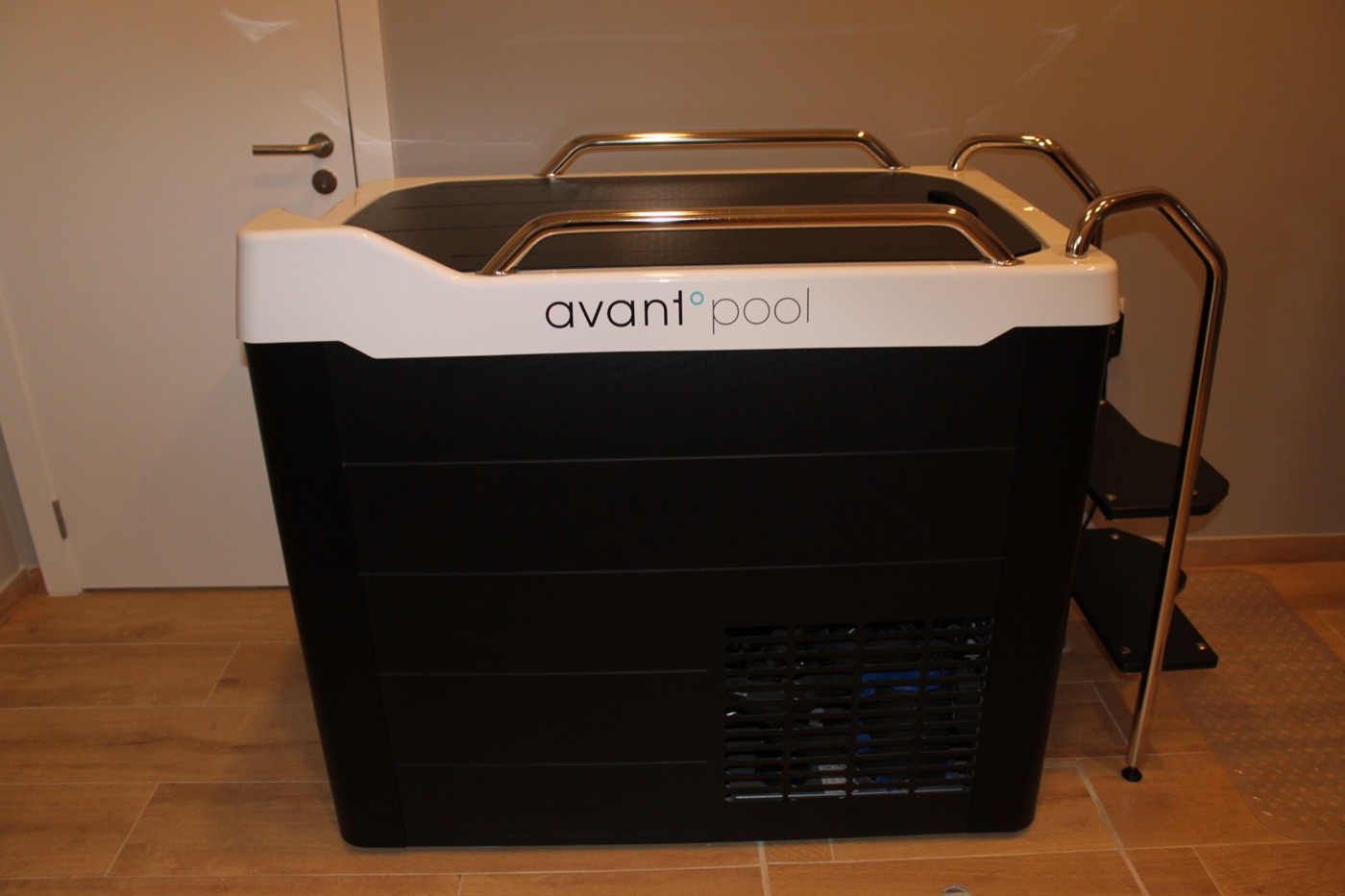
Avantpool Kinos
Cryotherapy Pool
Engineered in Finland, running from +4°C ice-cold to +18°C.
Temperature Range
+4°C to +38°C · adjusts 4–5°C per hour
Origin
Designed & manufactured in Finland
Hygiene
Water filtration and continuous UV purification.
Footprint
Compact, portable, adjustable legs for uneven floors
Control
Digital panel with scheduling & standby mode
Finnish Engineering, Built for Recovery
The Avantpool Kinos is a Finnish-designed cold plunge built for real training bodies, not a spa showpiece. Step in, and the cold does the work — no complicated setup, no guesswork, just the ice bath FITQOR members use to recover harder and come back stronger.
Clean Water, By Design
Continuous water filtration and UV purification keep every plunge hygienic, with efficient insulation that keeps running costs low.
Built to Move With You
Modular stairs and sturdy railings make entry and exit safe and easy, for every body and every fitness level.
Assembled in Finland
Durable, modular components engineered to handle the wear of a busy club floor, not just a home spa.
What Cold Actually Does to the Body
Submerging in water at or below roughly 15°C triggers an immediate, forceful stress response: blood vessels in the skin and limbs constrict (vasoconstriction) to protect core temperature, heart rate and breathing rate rise, and the body releases a surge of noradrenaline and cortisol. When you get out and warm back up, those same vessels dilate (vasodilation), driving a rush of freshly oxygenated blood back into the tissue that was just constricted. This constrict-then-flood cycle is the mechanical basis for cold plunge's best-documented effect — faster clearance of the inflammatory byproducts and swelling that build up in muscle after hard training. The Kinos runs cold water at +4°C, comfortably within the therapeutic range used in the research (most trials study 10–15°C or colder), and its ability to swing up to +38°C in the same tub means the same unit also delivers heat therapy for a full contrast-therapy protocol.
Vasoconstriction
Blood vessels narrow on immersion — protects core temperature and limits swelling.
Neurochemical Surge
Noradrenaline, dopamine and endorphins spike — the source of the alertness effect.
Rebound Vasodilation
On rewarming, vessels flood tissue with fresh, oxygenated blood.
Muscle Recovery & Inflammation
The best-established benefit of cold water immersion — faster bounce-back after hard training.
Cold-induced vasoconstriction limits the swelling and fluid build-up that follows intense exercise, and the rebound blood flow on rewarming helps clear metabolic byproducts from the muscle. Many FITQOR members plunge directly after a heavy strength or conditioning session specifically to reduce next-day soreness and get back to training sooner.
This is the most rigorously studied cold-plunge benefit. A 2022 systematic review and meta-analysis in the Journal of Sports Sciences (Choo et al.) evaluated 68 studies and found cold water immersion benefits both the acute recovery of endurance performance and the longer-term recovery of muscle strength and power, alongside measurable reductions in muscle damage markers. The Mayo Clinic Health System notes the effect is consistent enough that it recommends against daily plunging immediately after every training session, since blunting inflammation too often can, over time, dampen the adaptations that make you stronger.
For men training with heavier absolute loads, faster clearance of exercise-induced muscle damage supports more consistent high-frequency training weeks without accumulating fatigue.
The same recovery mechanism helps women balancing strength, conditioning and mobility work recover between sessions, though — as with men — daily plunges right after strength work may blunt some long-term training adaptations if overused.
Mood, Stress & Alertness
A sharp, short-term lift in alertness and a documented drop in stress.
The shock of cold immersion triggers a surge of noradrenaline, dopamine and endorphins — the chemistry behind the alertness and mental clarity many people report immediately after a plunge. Members often use a short cold session as a deliberate reset between a demanding day and an evening workout, or as a stress-management tool on its own.
A 2025 systematic review and meta-analysis found cold water immersion produces time-dependent effects on stress and quality of life, and a PLOS One systematic review of 11 studies (3,177 participants) found cold plunges were associated with reduced stress for a limited period following exposure and improvements in quality of life. A small study of 33 adults found a five-minute cold dip increased feelings of alertness and attentiveness while lowering perceived distress. Researchers are careful to note the mood lift is measurable but short-lived — evidence for a durable long-term reduction in anxiety or depression is still preliminary.
Sleep Quality
Early but encouraging evidence for deeper, more restful sleep.
Cold exposure lowers skin and core temperature in the hours afterward, which mirrors the natural temperature drop the body uses to initiate sleep. Members who plunge in the early evening often report falling asleep more easily and sleeping more soundly that night.
A 2025 systematic review found improvements in sleep quality associated with regular cold water immersion, alongside gains in overall quality of life. Cleveland Clinic similarly cites evidence that cold water immersion therapy can support better sleep quality. The research base here is smaller than for muscle recovery, and the review's authors call for larger, longer randomised trials to confirm the effect and identify the ideal timing of a plunge relative to bedtime.
Metabolic Health
Emerging evidence for better insulin sensitivity and blood sugar control.
Regular cold exposure is thought to activate brown and “beige” fat tissue, a metabolically active tissue type that burns energy to generate heat. Over time this is theorised to support healthier blood sugar regulation as part of a broader training and nutrition programme — not as a replacement for either.
A 2022 review found multiple studies showing voluntary cold-water therapy can improve insulin sensitivity and reduce insulin resistance. Separately, laboratory research in rodents has shown habitual cold-water immersion can change fat tissue in ways that could theoretically support lower cholesterol and improved blood sugar — though the Mayo Clinic Press cautions this rodent finding hasn't yet been confirmed to translate the same way in humans. This is a genuinely promising area of research, but one where the human evidence is still developing.
Men generally carry a higher proportion of metabolically active muscle mass, which may modestly amplify the thermogenic response researchers are studying in this area — though robust sex-specific human trials are still limited.
Women on average have a higher proportion of subcutaneous fat and a documented capacity to recruit brown fat activity, one of the mechanisms under active study for cold exposure's potential metabolic benefits — though, again, larger human trials are needed before drawing firm conclusions.
Immune Resilience
A documented reduction in sick days with regular cold exposure.
Regular, brief cold exposure appears to condition the body's stress-response systems in a way that shows up practically as fewer days lost to illness — one of the more surprising and well-replicated findings in this research area.
A randomised controlled trial published in PLOS ONE (2016) found that adults who finished their daily shower with 30–90 seconds of cold water experienced a 29% reduction in sickness-related absence from work or school compared with a control group, even though cold exposure did not change how often they reported feeling ill. A 2025 systematic review found no significant acute change in immune markers immediately after cold water immersion, but noted the longer-term reduction in sickness absence held up in the wider literature — suggesting the benefit may come from cumulative, regular practice rather than any single session.
Rapid Core Temperature Recovery
The fastest, most reliable way to cool down after heat stress.
Because cold water conducts heat away from the body far more efficiently than air, immersion is the quickest way to bring an elevated core temperature back down — useful after an especially demanding session, time in the sauna, or in hot weather.
Cold water immersion is the standard of care in sports medicine for exertional heat illness, precisely because of how quickly and reliably it lowers core temperature compared with passive cooling methods. The Cleveland Clinic notes this same cooling mechanism is why cold plunges are used both recreationally and clinically after intense heat exposure.